Discover the Amazing World of Artificial Intelligence Art
Welcome to the exciting world of AI art, where imagination meets artificial intelligence! Have you ever wondered what happens when computers become creative partners? AI art opens up a fascinating universe of colorful pictures, digital paintings, imaginative landscapes, and extraordinary visual ideas.
At ArieBananas, we explore how art and artificial intelligence come together to inspire new ways of thinking, creating, and experiencing the world. Whether you love traditional paintings, abstract art, digital illustrations, or futuristic designs, AI art offers something for everyone.
Imagine describing a magical forest filled with glowing flowers, a city floating among the clouds, or an underwater palace made of crystal. An AI art generator can transform your written description into a visual image. Your imagination provides the starting point, and artificial intelligence helps bring your ideas to life.
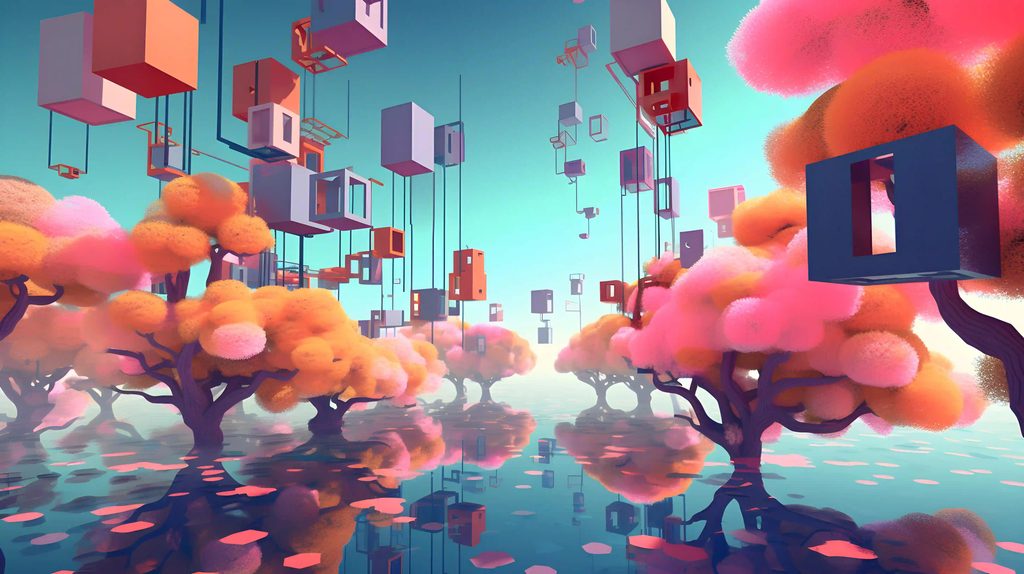
Welcome to AI art — a place where creativity has new possibilities!
What Is AI Art?
AI art, also known as artificial intelligence art, is artwork created with the help of artificial intelligence. Special computer systems can generate or transform images by interpreting instructions, recognizing patterns, and using what they have learned from training data.
For example, you might enter a description such as:
“A colorful futuristic city at sunset, surrounded by floating gardens, reflective glass towers, and glowing digital sculptures.”
An AI image generator can use that description to produce an image inspired by your words.
AI art can include digital paintings, illustrations, abstract compositions, realistic-looking scenes, fantasy artwork, and experimental designs. Some artists generate images with AI and then edit, combine, or paint over them to create a finished work.
AI does not imagine or experience the world in the same way humans do. Instead, it processes information and generates results based on patterns. Human creativity, choices, and interpretation remain important parts of the artistic process.
Simple Examples of AI Art
Here are some fun examples of what AI art can create:
- Fantasy worlds: Magical castles, enchanted forests, and imaginary creatures.
- Digital paintings: Colorful compositions inspired by traditional painting techniques.
- Abstract art: Unusual shapes, flowing patterns, and unexpected combinations of color.
- Futuristic cities: Imaginary architecture, advanced technology, and science-fiction landscapes.
- Nature-inspired art: Dreamlike oceans, unusual flowers, and spectacular mountain scenery.
- Portrait illustrations: Stylized characters and imaginative representations of people.
- Interior design concepts: Visual ideas for rooms, furniture, and creative spaces.
Each description can lead to different results. Changing a few words, adjusting the colors, or choosing a different artistic approach can produce an entirely new image.
How Does AI Art Work?
Creating AI art can be surprisingly simple. Most text-to-image systems follow a process that turns your idea into a visual result.
Step 1: Imagine an idea
Start with a subject, a mood, or a story. You could imagine a peaceful garden, a futuristic robot, or an abstract composition inspired by music.
Step 2: Write a prompt
A prompt is a written description that tells an AI system what you want to see. Useful details include the subject, setting, colors, lighting, composition, and artistic medium.
For example:
“A dreamlike landscape with purple mountains, a golden river, soft morning light, and a surreal digital painting style.”
Step 3: Generate an image
The AI system interprets your prompt and generates an image based on its learned patterns. Depending on the tool, you may receive one image or several variations.
Step 4: Experiment and improve
You can change the prompt, explore alternative compositions, or refine details. Creative experimentation often helps you discover unexpected possibilities.
Step 5: Add your personal touch
You can select your favorite result and edit it using digital drawing software or other creative tools. Your artistic decisions help shape the final outcome.
How AI Makes Art More Accessible
Artificial intelligence can help people explore visual creativity without requiring years of experience with traditional drawing or painting.
Beginners can experiment with ideas that would otherwise be difficult to illustrate. Experienced artists can use AI to explore compositions, develop concepts, and investigate alternative approaches to their work.
AI art can be useful for:
- Brainstorming new creative ideas.
- Exploring different colors and visual styles.
- Developing concepts for stories and illustrations.
- Creating preliminary designs for creative projects.
- Experimenting with imaginary worlds and unusual subjects.
- Combining digital techniques with traditional artistic methods.
AI is a tool rather than a replacement for every aspect of artistic practice. Observation, cultural knowledge, personal experience, and thoughtful decision-making continue to contribute to meaningful art.
Explore Different Styles of AI Art
One of the most interesting features of AI-generated art is the variety of visual approaches you can explore.
Abstract AI Art
Abstract AI art experiments with shapes, textures, colors, and patterns. It can create compositions that invite viewers to interpret the image in their own way.
Surreal AI Art
Surreal AI art combines familiar objects with unexpected situations. Imagine a giant clock floating above an ocean or a staircase winding through the clouds.
Digital Painting
AI-assisted digital painting can explore brushwork, lighting, texture, and painterly compositions. Artists can use these images as starting points for further creative development.
Fantasy and Science Fiction
AI can help visualize imaginary planets, futuristic architecture, mythical creatures, and extraordinary adventures.
Nature-Inspired Art
From imaginary botanical gardens to colorful cosmic landscapes, AI tools can generate new interpretations of the natural world.
Explore more creative ideas through ArieBananas art and science and discover how technology and artistic expression can complement one another.
AI Art and Human Creativity
Can a computer really be an artist? This question has inspired discussions among artists, designers, researchers, and art lovers.
Some people see AI as a powerful new creative instrument. Others question how AI-generated images should be evaluated, especially when the system has been trained on existing artwork.
There is no single answer that resolves every artistic or philosophical question. The result depends partly on how the AI system is used and what role the human creator plays.
A person might develop the original concept, carefully write prompts, select the best results, edit the image, and decide how the artwork communicates its message. Another person might generate an image with minimal changes.
These approaches involve different levels of human participation. Understanding that difference helps us have a more informed conversation about AI and creativity.
For another perspective, explore The Artistic Ecosystem, which looks at artists, audiences, technology, and the wider world that supports artistic expression.
AI Art, Digital Art, and the Future
Digital art has already changed how people create, share, and experience images. AI introduces additional possibilities by allowing artists to generate visual concepts from written descriptions and experiment with new approaches.
In the future, AI-assisted creativity may continue to influence illustration, animation, architecture, graphic design, education, and interactive experiences.
Artists may combine AI-generated imagery with photography, painting, three-dimensional modeling, and virtual environments. These combinations can produce works that are difficult to classify within traditional artistic categories.
At the same time, important questions remain about copyright, consent, transparency, originality, and the fair treatment of artists whose work is used in training datasets.
Anyone exploring AI art should consider the terms of the tools they use, respect the rights of other creators, and check the rules that apply to publishing or commercial use.
The future of AI art will depend not only on technological progress but also on the choices people make about how these systems should be developed and used.
Fun AI Art Ideas to Explore
Looking for inspiration? Here are a few ideas to spark your imagination.
A city in the clouds: Imagine a collection of floating buildings connected by glowing bridges.
A colorful underwater world: Picture coral gardens, luminous fish, and mysterious architectural structures beneath the sea.
A robot in an art studio: Visualize a friendly robot experimenting with brushes, paints, and digital screens.
A surreal garden: Combine oversized flowers, geometric trees, unusual colors, and dreamlike lighting.
A journey through space: Create an imaginary landscape featuring distant planets, colorful nebulae, and futuristic structures.
Try changing the atmosphere, perspective, colors, and level of detail in each idea. Small adjustments can lead to surprisingly different results.
Responsible and Ethical AI Art
AI art creates exciting opportunities, but it also raises important questions.
Artists and users should think carefully about how training data is collected, whether permission has been granted where required, and how generated images are presented to audiences.
It is also helpful to distinguish AI-generated imagery from photographs or traditional artwork when that distinction matters to viewers.
Before sharing or selling an AI-generated image, check the tool’s terms, relevant copyright rules, and any requirements concerning commercial use. Avoid presenting someone else’s work as your own, and take care when generating images that depict real people.
Responsible creative practice helps support a more transparent and respectful artistic community.
Frequently Asked Questions About AI Art
What is AI art?
AI art is artwork generated or assisted by artificial intelligence. It can include digital paintings, illustrations, abstract images, and other visual creations.
How do I create AI art?
Start with a clear idea and describe it in a text prompt. An AI image-generation tool can use your description to produce an image. You can then experiment with different prompts and edit the results.
Do I need to know how to draw?
No. Many AI art tools allow beginners to create images using written descriptions. Drawing skills can still be useful when you want to edit images or develop a more personal artistic style.
Is AI-generated art real art?
People have different opinions about this question. AI-generated images can be evaluated for their visual qualities, ideas, context, and creative process. The role of the human creator and the methods used to produce the work are also important considerations.
Can AI art be used commercially?
Sometimes. Permission depends on the tool’s terms, the image’s content, and applicable laws. Check the relevant conditions before using an image in products, advertising, or other commercial projects.
Will AI replace human artists?
AI can automate some image-making tasks and change creative workflows, but human artists contribute personal experiences, intentions, cultural understanding, judgment, and artistic choices. AI can be used as a creative assistant without replacing every role that people play in art.
Conclusion: Discover the Possibilities of AI Art
AI art brings technology and imagination together in exciting ways. From abstract compositions and digital paintings to fantasy landscapes and futuristic designs, artificial intelligence offers new ways to explore visual ideas.
The most interesting results often come from curiosity, experimentation, and thoughtful creative choices. Whether you are a beginner, an experienced artist, or simply someone who enjoys looking at beautiful images, AI art offers a fascinating subject to explore.
At ArieBananas, we celebrate the connections between art, technology, science, and imagination. Continue exploring our articles and discover how creative ideas can take unexpected forms.
Let your imagination lead the way, and welcome to the world of AI art!